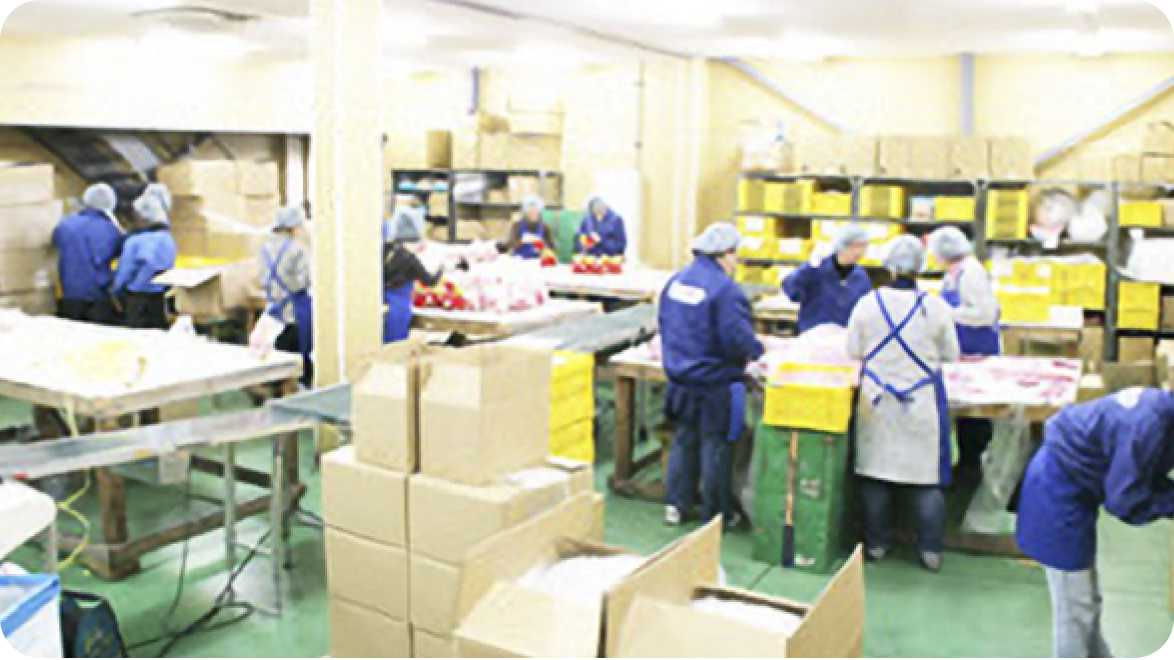
1. We will thoroughly understand the raw materials used.
When discussing the "safety and security" of a product, the most important and fundamental thing is to "understand the raw materials." At Benesse Corporation, we conduct investigations into materials and raw materials at two stages: during the planning stage and during the actual production stage.
We check the raw materials from the planning stage through preliminary evaluations.
At Benesse Corporation, we consider "understanding raw materials" to be the foundation of "safety and security." Therefore, we design our products with raw materials in mind from the planning stage. After the plan is completed, a specialized department conducts a document-based evaluation to thoroughly check the content of the plan.
This inspection checks the materials used in the product, such as fabric, paper, and plastic, including what dyes, paints, and inks they are colored with, and whether they have any adverse effects on the human body. This is done based on safety documentation and according to our own standards, which exceed legal requirements.
If the raw materials are unknown, we contact the manufacturing staff to confirm them. The "review" process can be lengthy, but if the product does not pass this evaluation, it will not be made into a product.
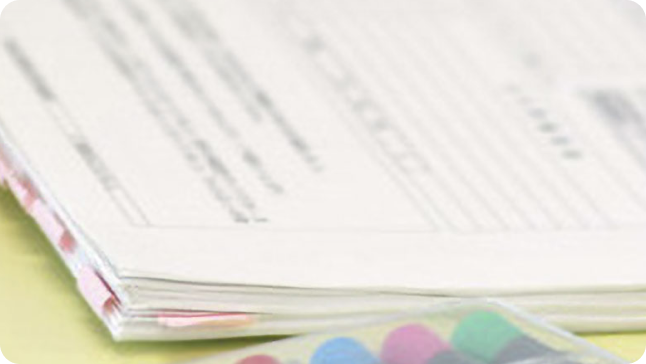
Safety documentation can be several centimeters thick. From this, we meticulously eliminate all risk factors.
Safety confirmed by the actual product
The raw material inspection is also conducted using actual samples equivalent to those that will be delivered to the customer.
Furthermore, if there seems to be a problem with the strength or if there is even a slight risk of injury, we will review the design and materials at this stage.
2. We restrict substances that are harmful to the environment and human health.
Benesse Corporation restricts the use of four types of substances in its products: "environmental hormones," "substances of concern regarding their impact on ecosystems," "chemicals suspected of being carcinogenic," and "heavy metals." Furthermore, to accommodate young children and those with allergies, we strive to disclose information, including allergy labeling, even for a single small part.
Material restrictions in case of emergency
Benesse Corporation also carefully manages substances that affect the human body and ecosystems. These fall into four categories: "environmental hormones," "substances of concern regarding their impact on ecosystems," "chemicals suspected of being carcinogenic," and "heavy metals."
Products such as toys that are intended to be put in the mouth are tested to ensure that they do not contain these substances.
We will continue prototyping and testing until we obtain analytical results that indicate there will be no adverse effects on the human body, even if a child accidentally swallows a part of the product.
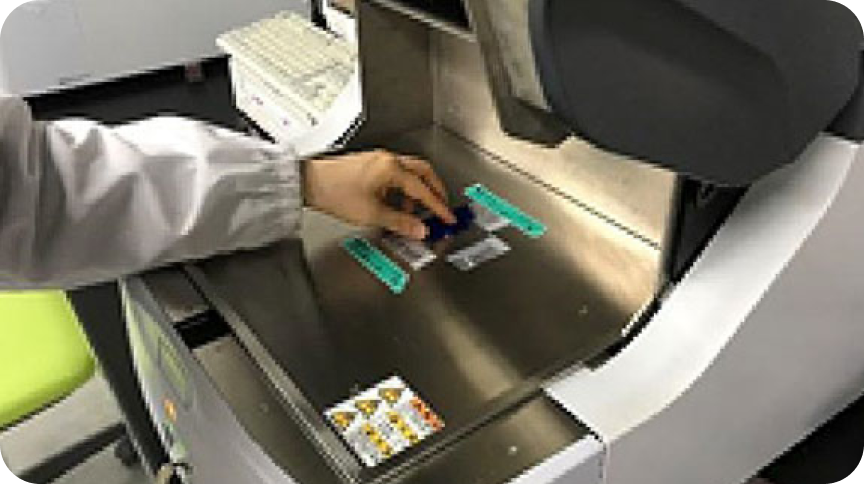
X-rays and other methods are used to check for the presence of harmful heavy metals.
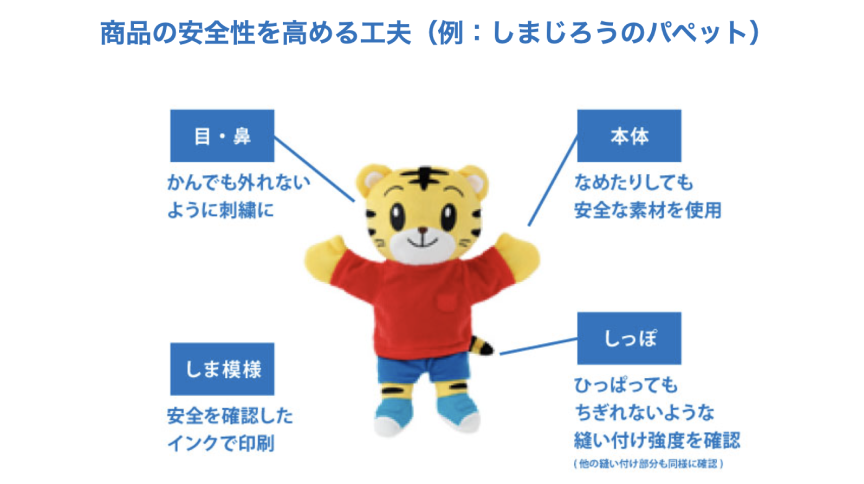
Shimajiro puppets are developed with a variety of uses in mind for children. Based on our experience with past shapes and material selections, we have worked to improve upon any issues, resulting in the current product. We are committed to creating safer products by confirming the safety of each material, considering safe designs, and repeatedly creating prototypes.
To ensure safer use
Even though we conduct safety checks that exceed legal standards, it is important that you be mindful of safety when using our products at home to prevent any potential risks. We are constantly making improvements to ensure that even families with small children can read the instructions and use the products "correctly."
For example, allergens. Benesse Corporation strives to minimize the amount of allergens that may cause allergies, but if they are unavoidable, we address this by providing "allergy information" to our customers, even for small parts.
The information disclosure standards are, of course, based on a child's perspective. By listing even substances not specified by law, we take into consideration young children and people with allergies.
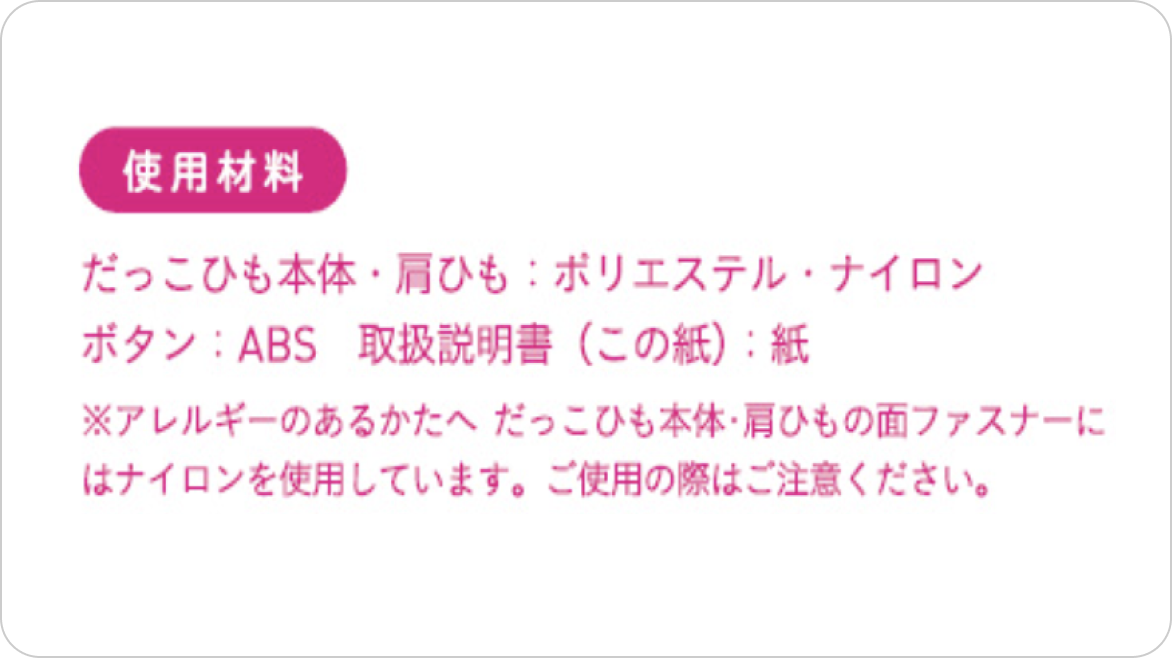
Examples of information and warnings about products containing substances that may cause allergies, which you should review before using them at home.
3. We will imagine usage scenarios and strive to prevent accidents.
Even for products not specifically marketed to children, we design them with the assumption that young children may handle them, and we strive to ensure that even the product packaging is free from the risk of choking or injury. For products aimed at young children, we take their developmental stages into particular, designing them with the understanding that any part could potentially be swallowed.
From a child's perspective
Throwing, licking, gnawing—young children are full of curiosity. Sometimes they play in ways that adults would never imagine. That's why Benesse Corporation designs its products assuming that every household has children.
Even for products intended for adults, we don't forget to ensure they are safe for children as well as adults. We don't just create them; we also make sure they are safe for children.
Especially for products aimed at children, we ensure safety through methods such as "risk analysis" and "monitoring surveys."
Based on the prototype, we have parent-child testers actually use it to check things like whether the various parts don't come off when pulled, whether the stitching is strong, and whether it can be used safely.
We eliminate risks by imagining how children will use the product and testing every possible scenario.
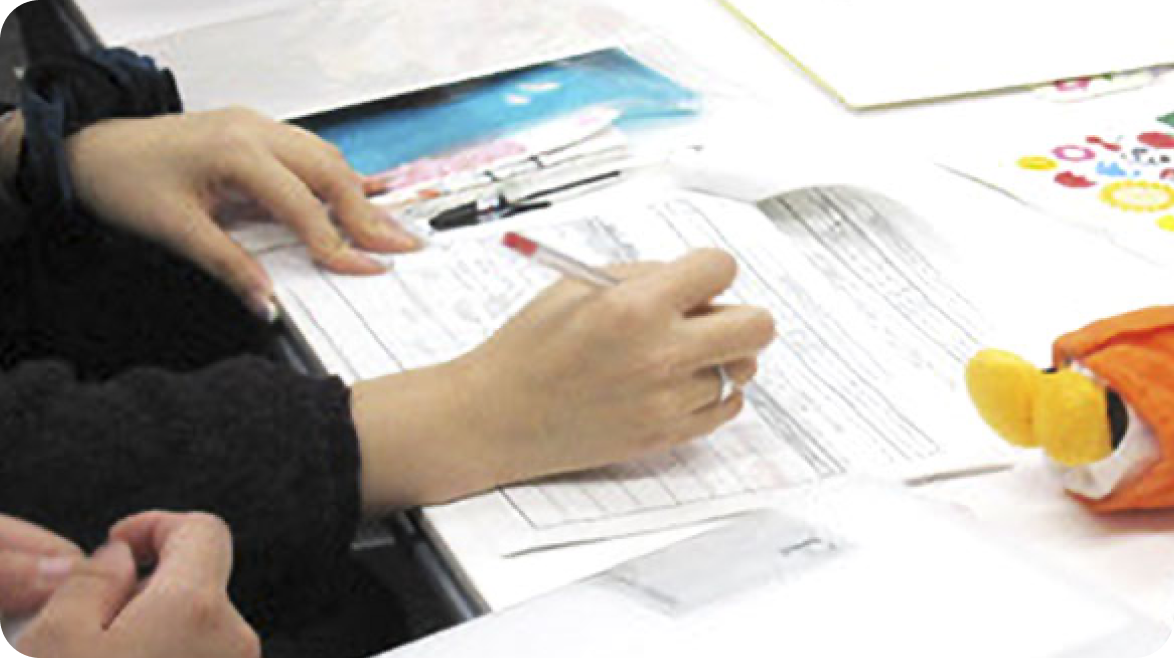
The parts are intended to be swallowed by accident.
The risk of accidental ingestion of small parts is inherent. At Benesse Corporation, we sew and glue various parts according to our own standards, but even so, there's always a chance of an accident. Therefore, we design all parts with the understanding that they could potentially be swallowed.
We design the product with air vents to ensure an open airway in case of accidental ingestion, and use durable, non-toxic paint. By anticipating various scenarios and preparing for any "what if" situations involving your child, we minimize risks as much as possible.
Furthermore, to prevent any accidents and to ensure proper use at home, we include a warning on the packaging and leaflets that there is a risk of accidental ingestion if there are small parts.
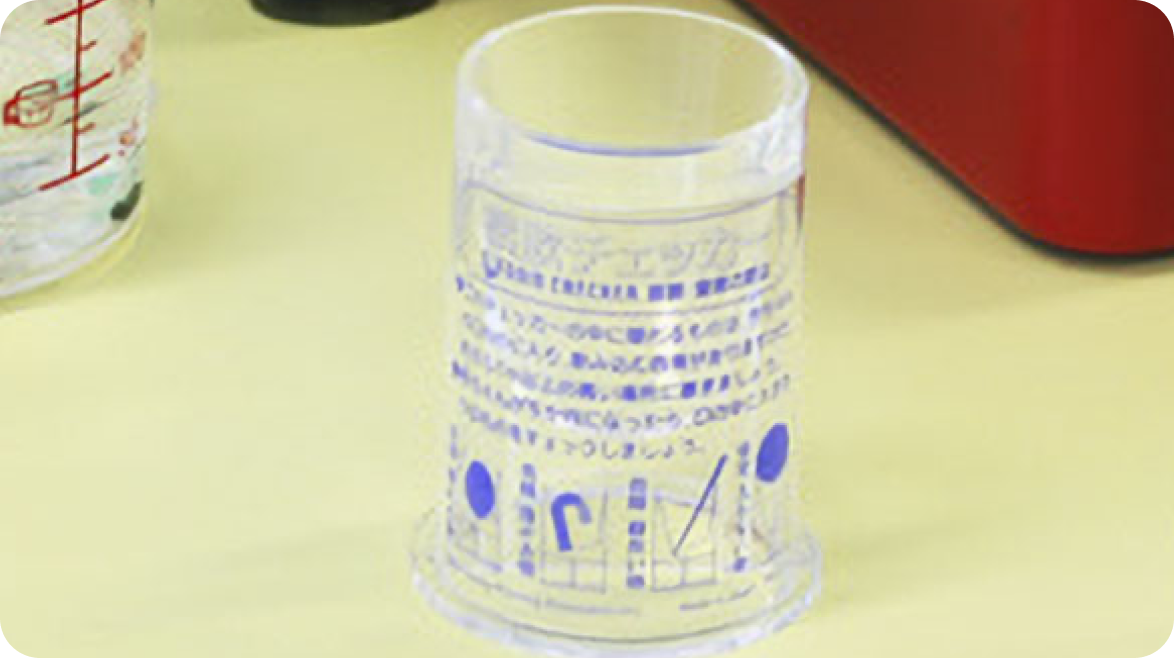
This is one of the tools used to check whether an object is large enough for a child to accidentally swallow.
Source: Japan Family Planning Association
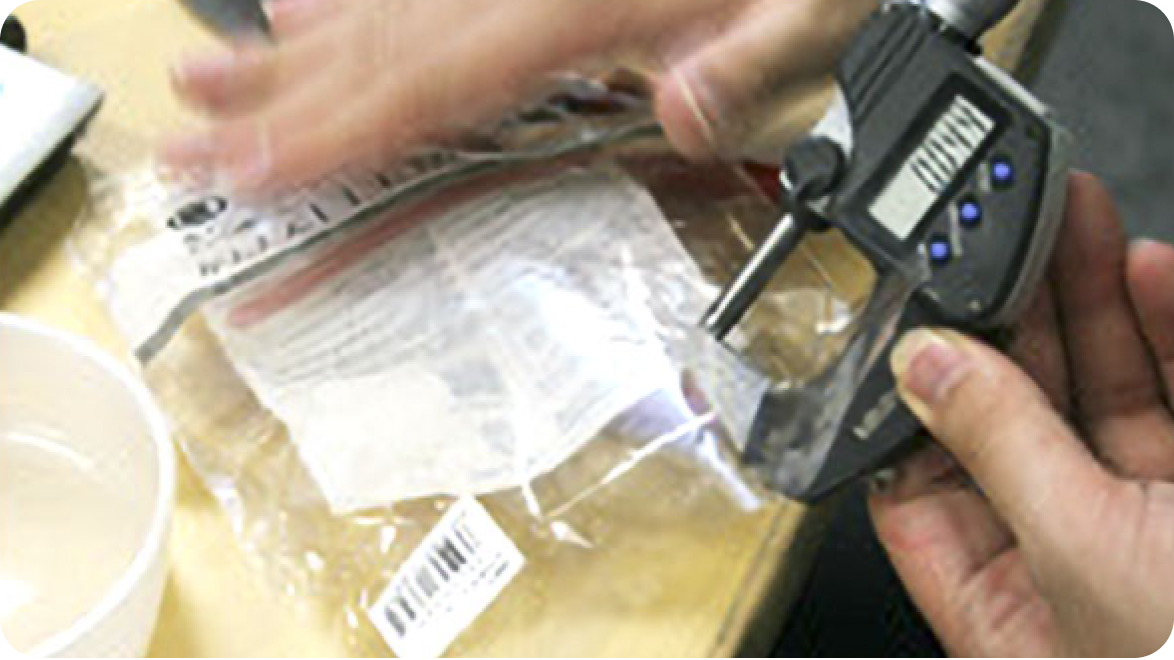
Also check the thickness of the plastic bag.
We also carefully check the materials used for packaging the plastic bags that are delivered to our customers, ensuring that the bags are of appropriate thickness.
To prevent accidents such as children putting the bag over their heads or covering their mouths and becoming unable to breathe, we use a micrometer and other tools to check whether the bag is thick enough to prevent suffocation, whether it has holes, and whether it has holes.
Furthermore, we include warnings on the packaging to prevent misuse at home.
4. We will also conduct third-party checks.
We have established a specialized department within the company to evaluate the safety of all our products. Furthermore, if there are any safety concerns, we collaborate with domestic and international expert organizations to conduct more detailed analyses and highly accurate safety checks.
Collaboration with external organizations
Benesse Corporation's safety and security measures are not solely internal. We collaborate with external expert organizations to further enhance their effectiveness.
When internal and external organizations collaborate to pursue product safety, the most important thing is that "everyone involved in production works with the same perspective." Benesse Corporation shares its product safety standards with manufacturers and cooperating external organizations and calls for adherence to these standards. We will work together, both internally and externally, to protect the safety of young children and our customers.
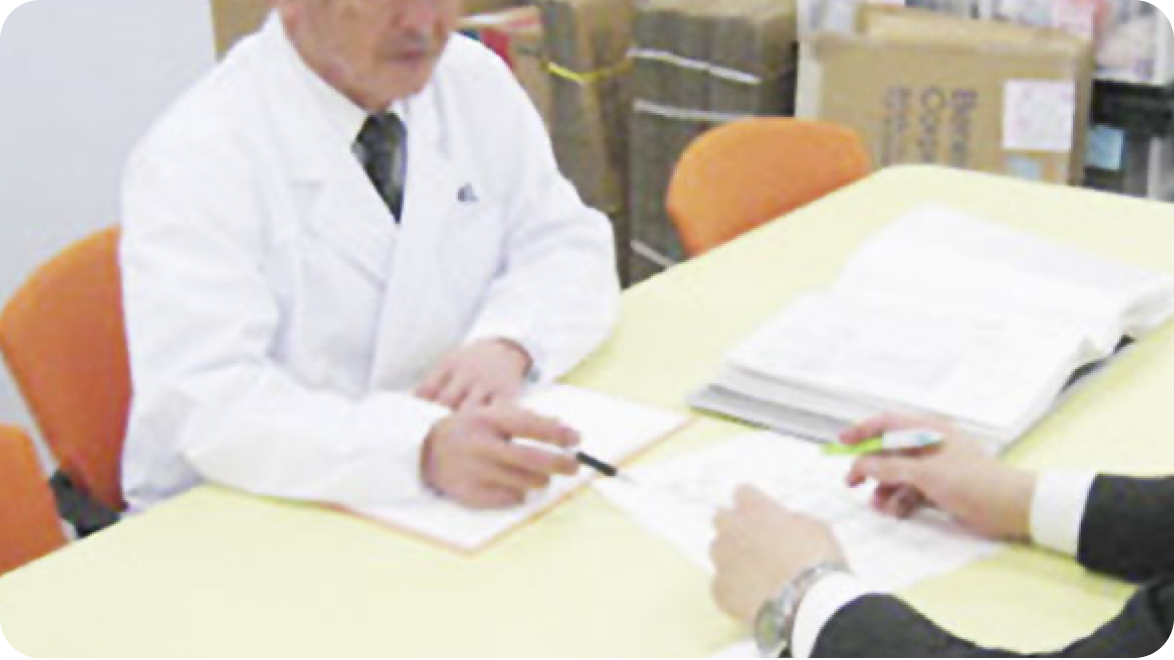
We collaborate with external organizations to conduct thorough reviews to ensure that our products are truly safe.
Something that can be said to be safe
Our internal specialized department was created to protect the safety and security of our customers. However, maintaining that level of safety requires tenacity and perseverance to uncover even the smallest potential hazards. Our mission, now and in the future, is to create products that we can confidently say are safe.
Our role is to eliminate a one-in-ten-thousand risk. To achieve this, we need to understand safety standards and societal trends, carefully predict how children will use the products, and then review them accordingly. And importantly, we must pass on that technology and knowledge.
Eliminating even the slightest risk requires painstaking effort and perseverance. And risk will never be reduced to 0%. Harmful substances will continue to be discovered, and even if one risk is eliminated, another new one will emerge. However, we still believe our mission is to "create products that we can confidently say are safe."
A box containing products arrives from Benesse Corporation. We absolutely do not want to disappoint the excitement and anticipation you feel when you see that box.
5. Benesse Corporation and all related companies will work together to implement improvements.
In addition to complying with laws and regulations, we always strive to manufacture products according to the latest safety standards, utilizing customer feedback and internal and external case studies. Furthermore, we aim for safer and more secure manufacturing by working with manufacturers and specialized organizations that understand, share, and implement Benesse Corporation's unique product safety standards.
Inspection by affiliated companies
At Benesse Corporation, we ensure safety by collaborating with affiliated companies that understand our unique safety standards. We conduct thorough inspections from a third-party perspective, monitoring product safety until just before shipment. Furthermore, we select inspection and needle detection methods appropriate to the characteristics of each product.
The processes at the related companies involved in shipping are broadly divided into five stages. "Unpacking" involves opening the outer boxes sent from each manufacturer and taking out the contents. "Visual inspection" involves checking the quality of the products by hand and eye. "Packaging" involves putting the products into bags. For sewn products, "needle detection" checks whether any needles remain inside the product from the sewing process.
Only products that pass each stage proceed to the next stage, and only products that pass all stages are "packaged" and delivered to the customer.